In the Age of AI Everything is getting easier to make. That’s exactly why so much of it feels the same.
AI can generate a flawless trail runner at golden hour in seconds. Perfect light, perfect skin, perfect jacket. And audiences are scrolling right past it.
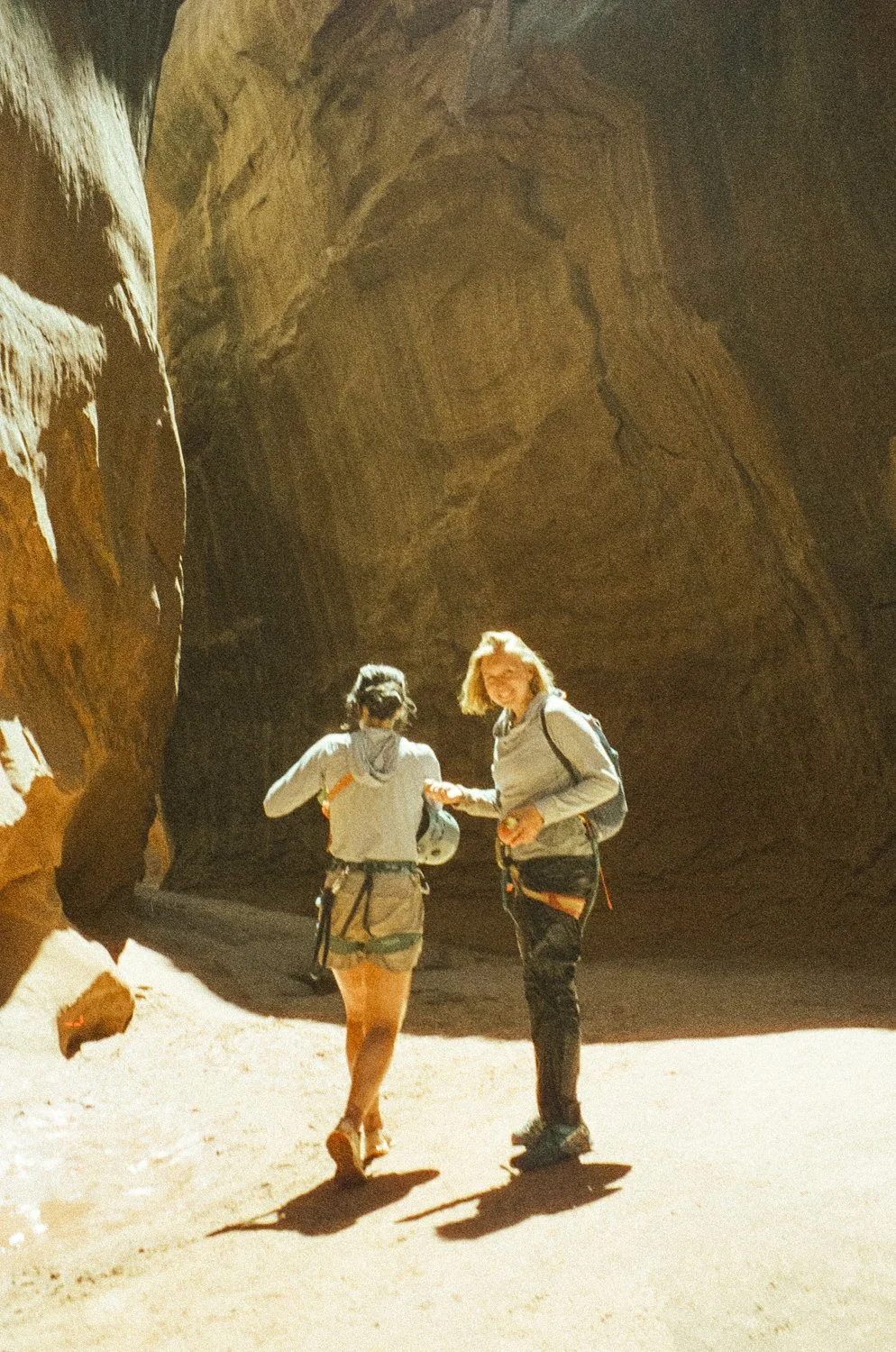
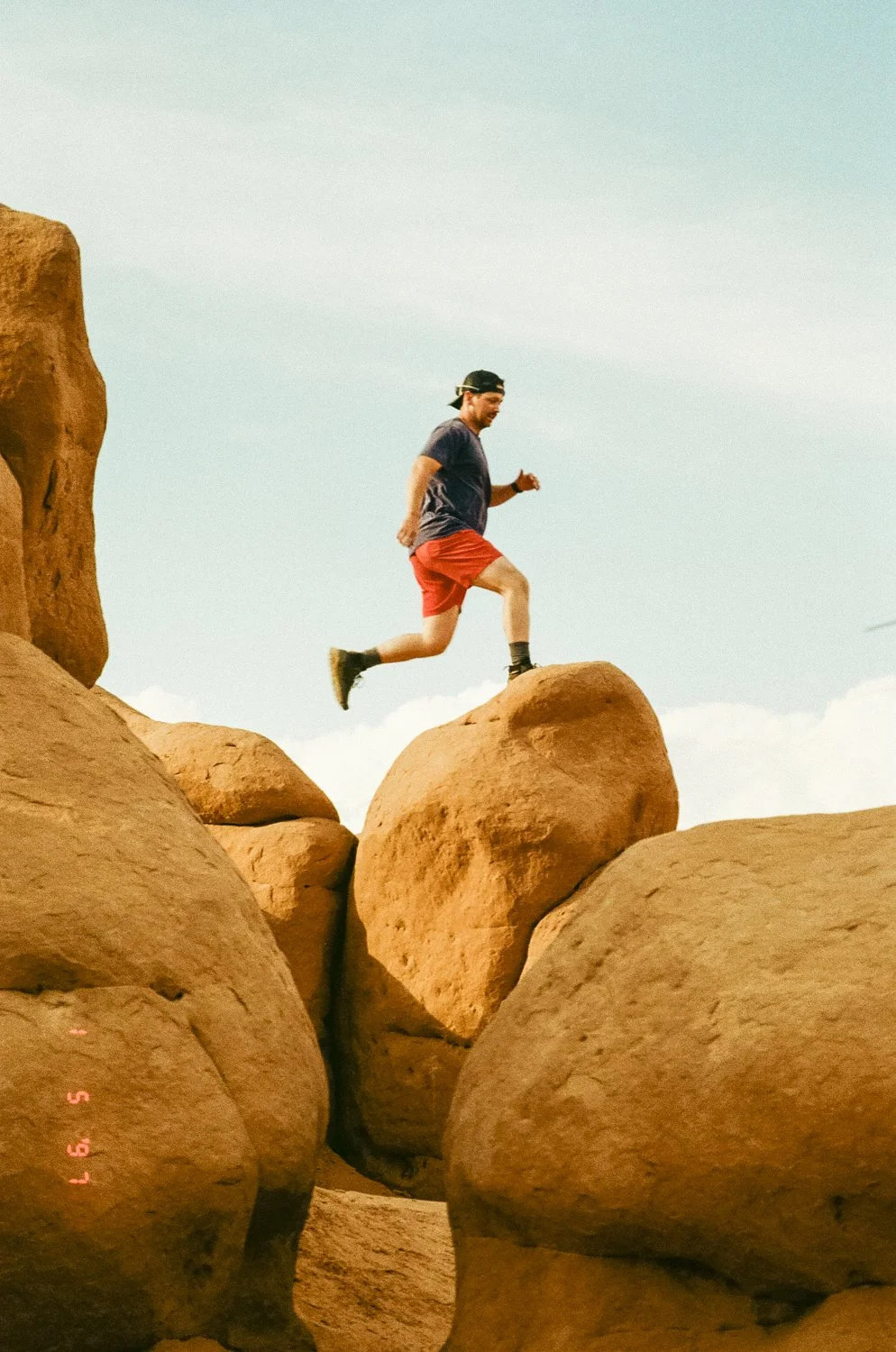
What stops people now is the opposite. Grain. Light leaks. A slightly crooked horizon. A face with a sunburn. Proof that someone was actually there.

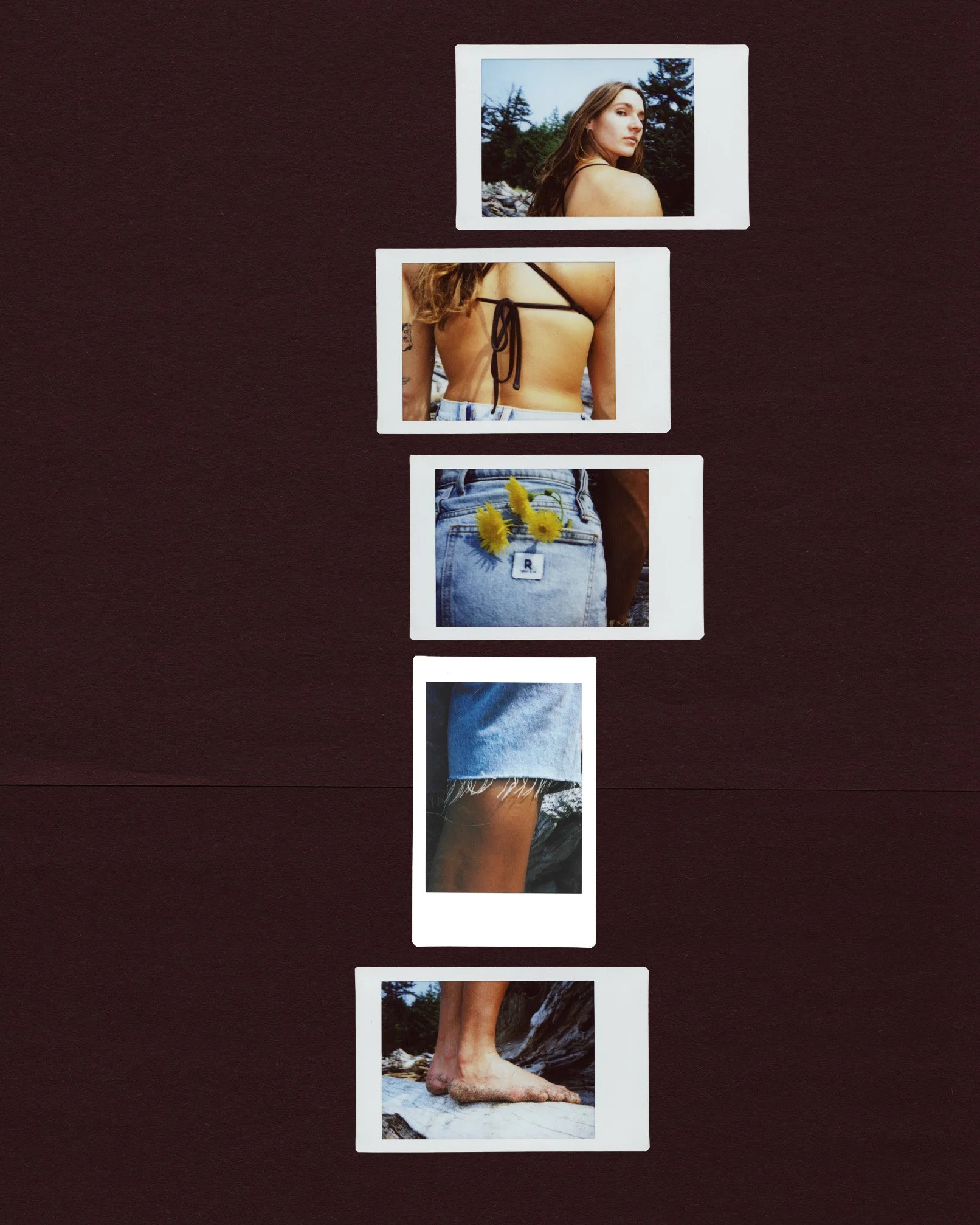
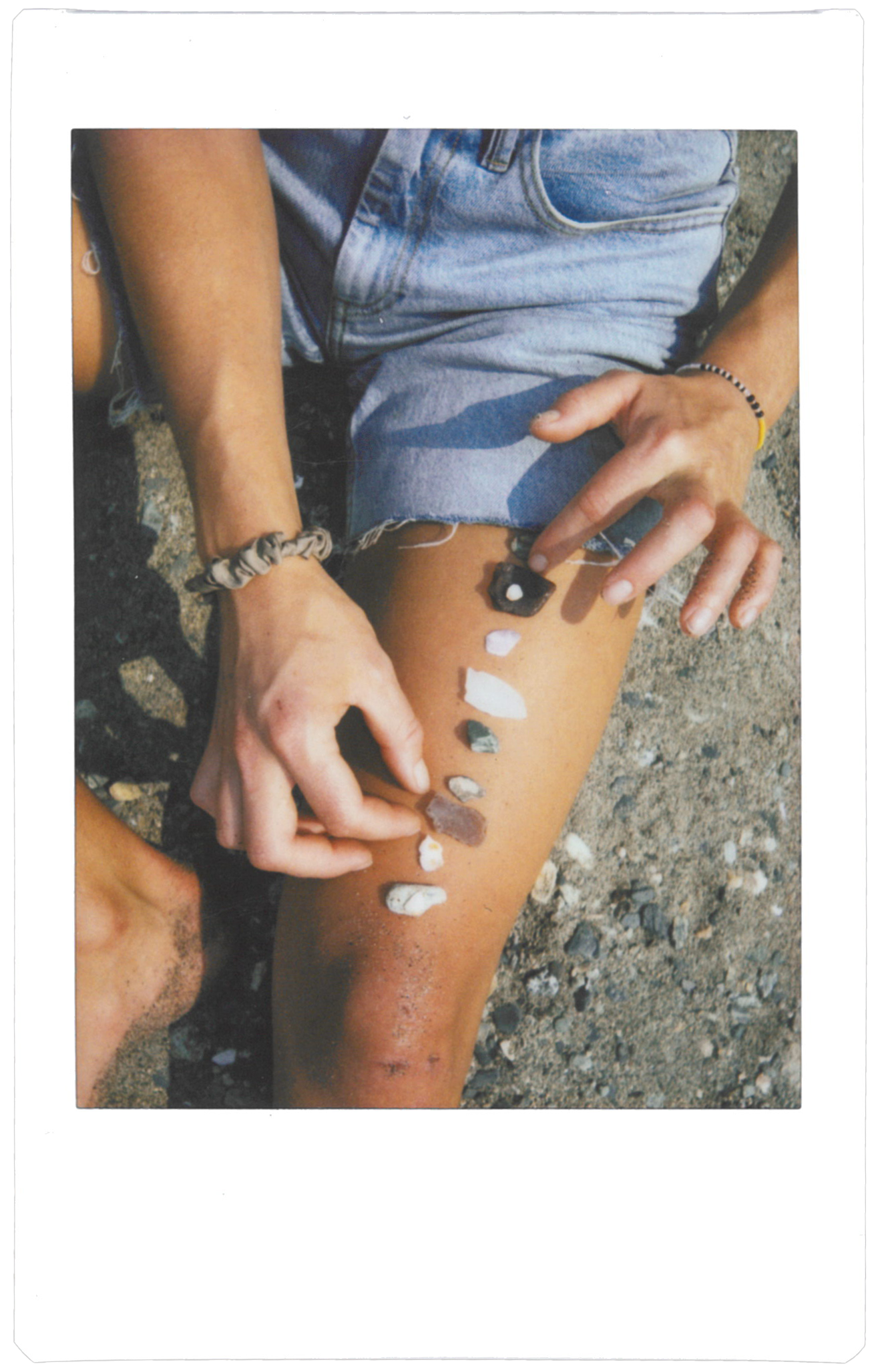
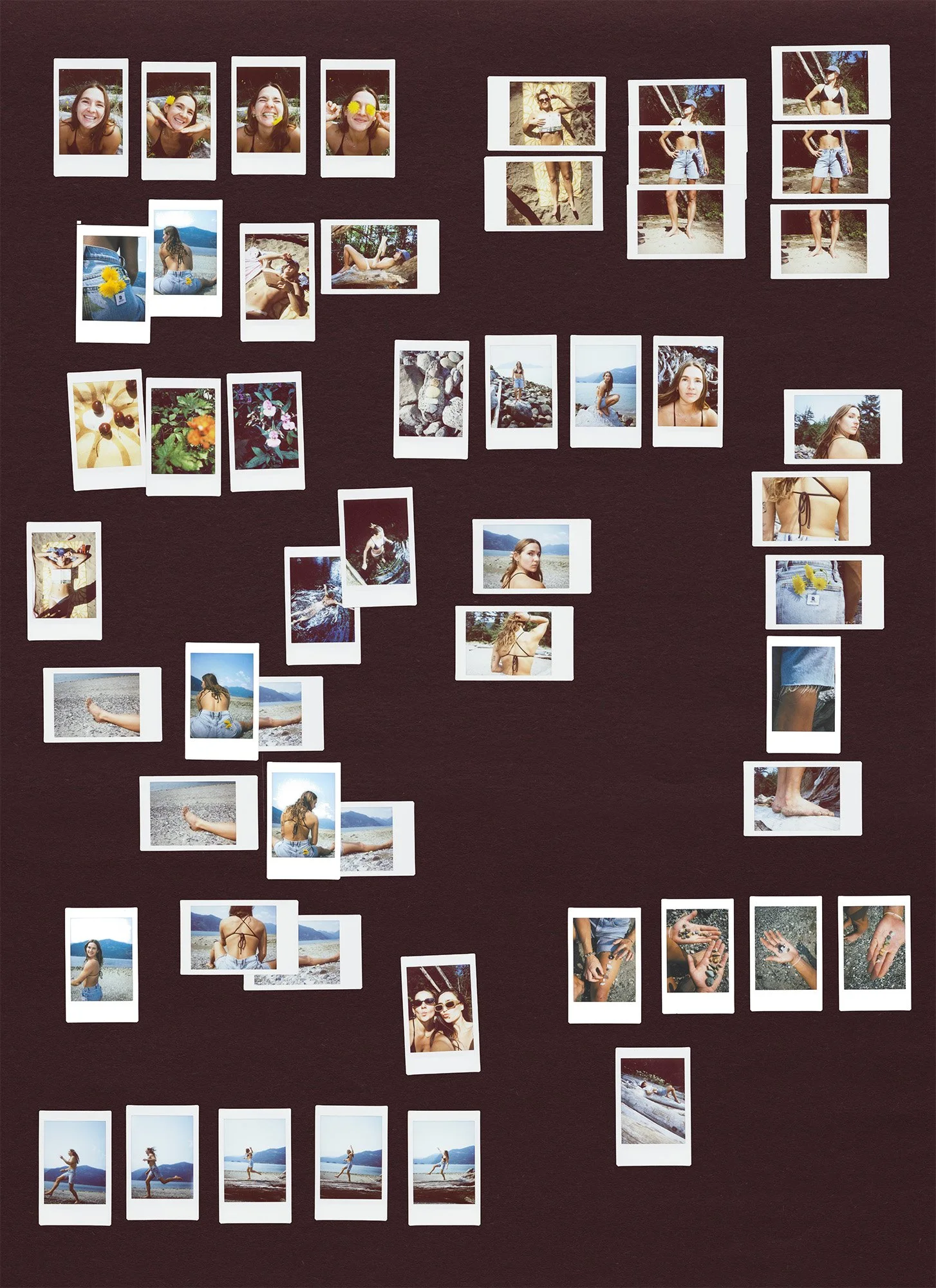


The more synthetic the feed gets, the more we crave proof of life
When anything can be generated, evidence becomes what’s valuable. Evidence that a person stood on that ridge, that the weather really turned, that the moment happened once and won’t happen again.
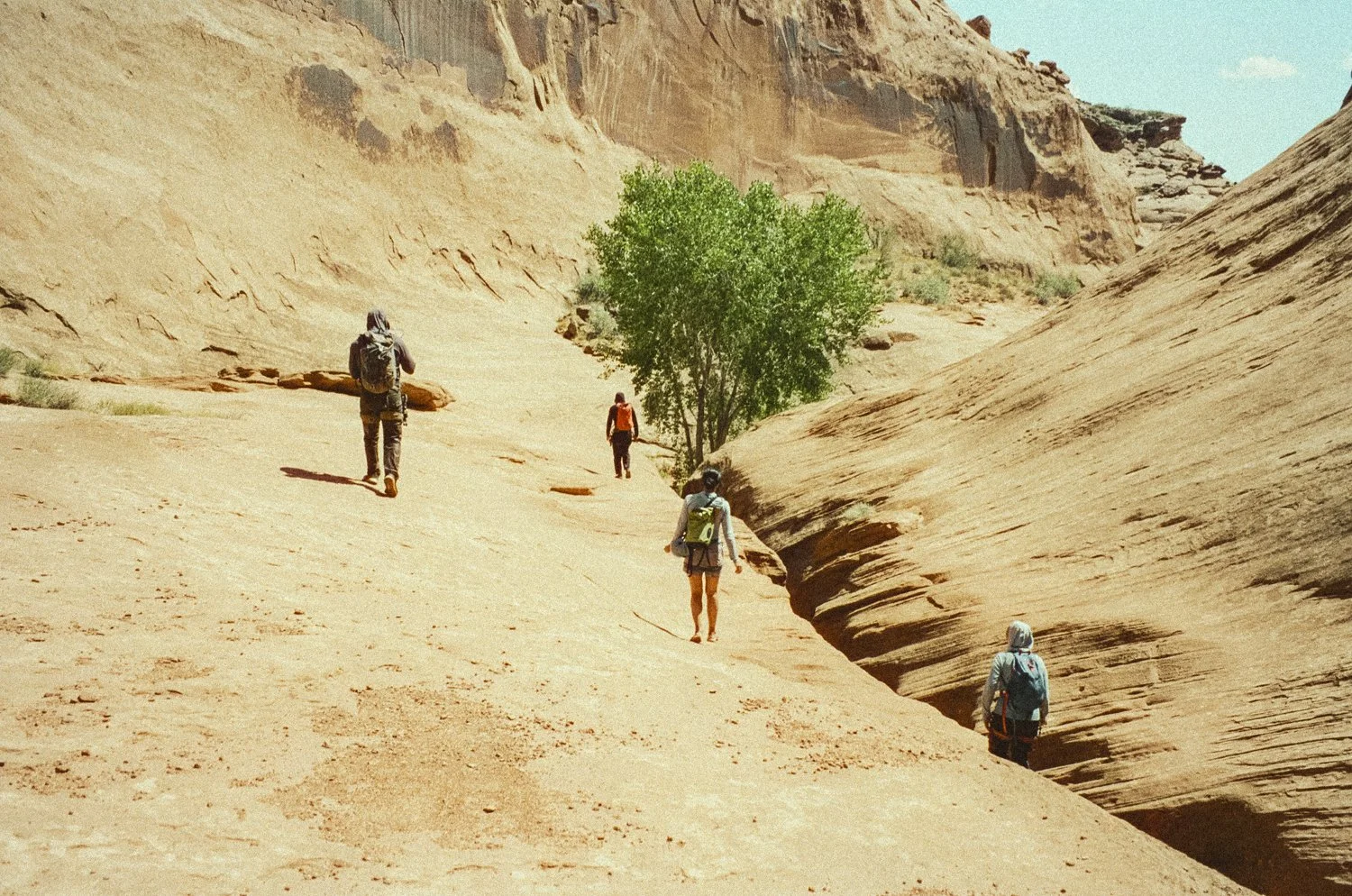
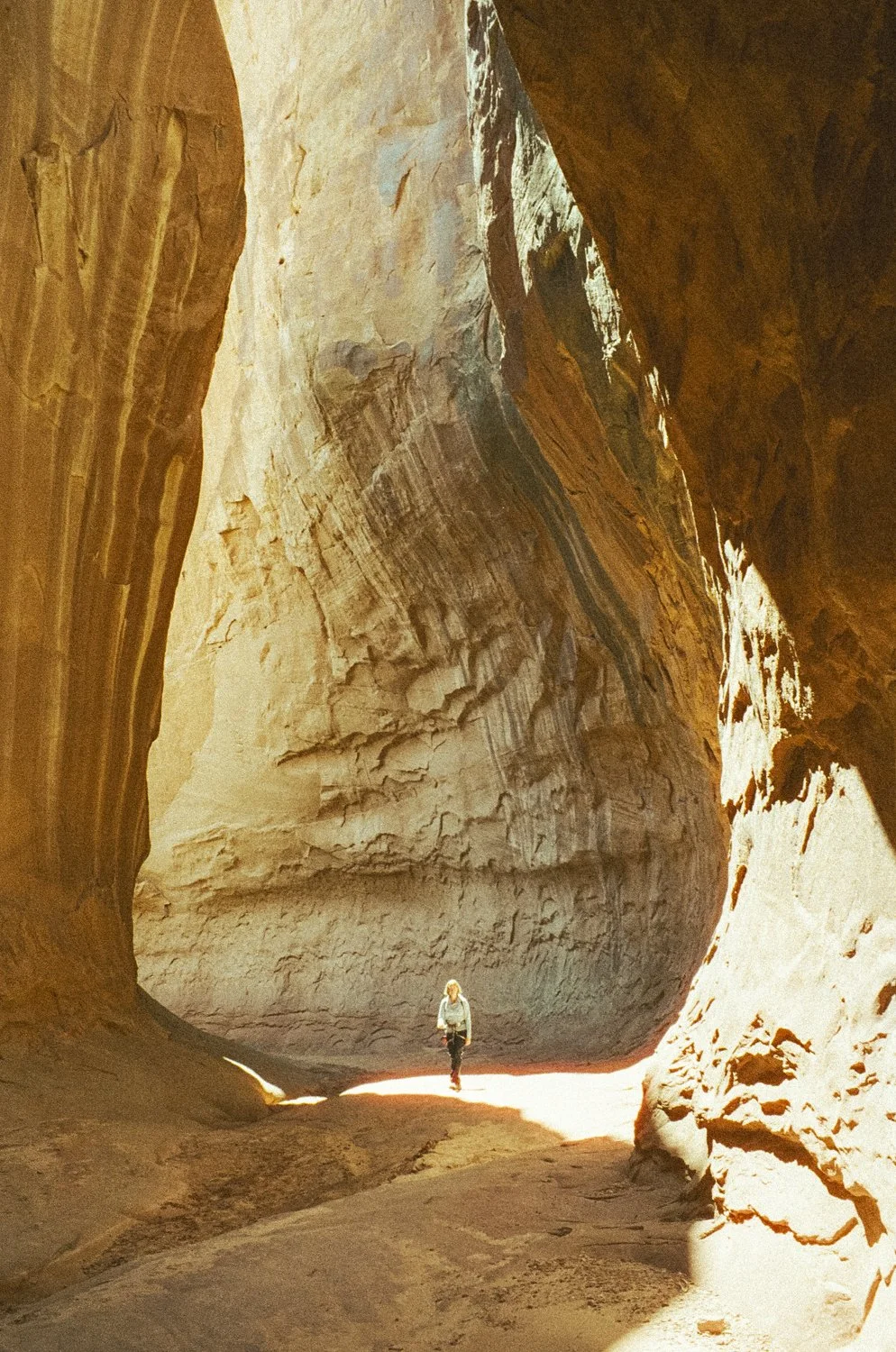
That’s what nostalgia is really doing right now. It’s not just a love of old aesthetics. Film, disposables, camcorders and scanned prints carry built-in proof. They’re hard to fake convincingly, and people know it. Their imperfections signal that a real process, with real limits, produced the image.
People aren’t nostalgic for the past. They’re nostalgic for realness.
Nostalgia isn’t a filter
This is where brands get it wrong. They see the trend and add grain in post: a film emulation preset, or a fake light leak on a perfectly retouched hero image.
Audiences can feel the difference. Nostalgia applied as a surface treatment reads as just another kind of fake.
The real version comes from process. Shooting actual film. Putting cameras in the hands of talent. Casting people who genuinely live the sport. Letting weather, dirt and timing shape the frame instead of fixing them later.
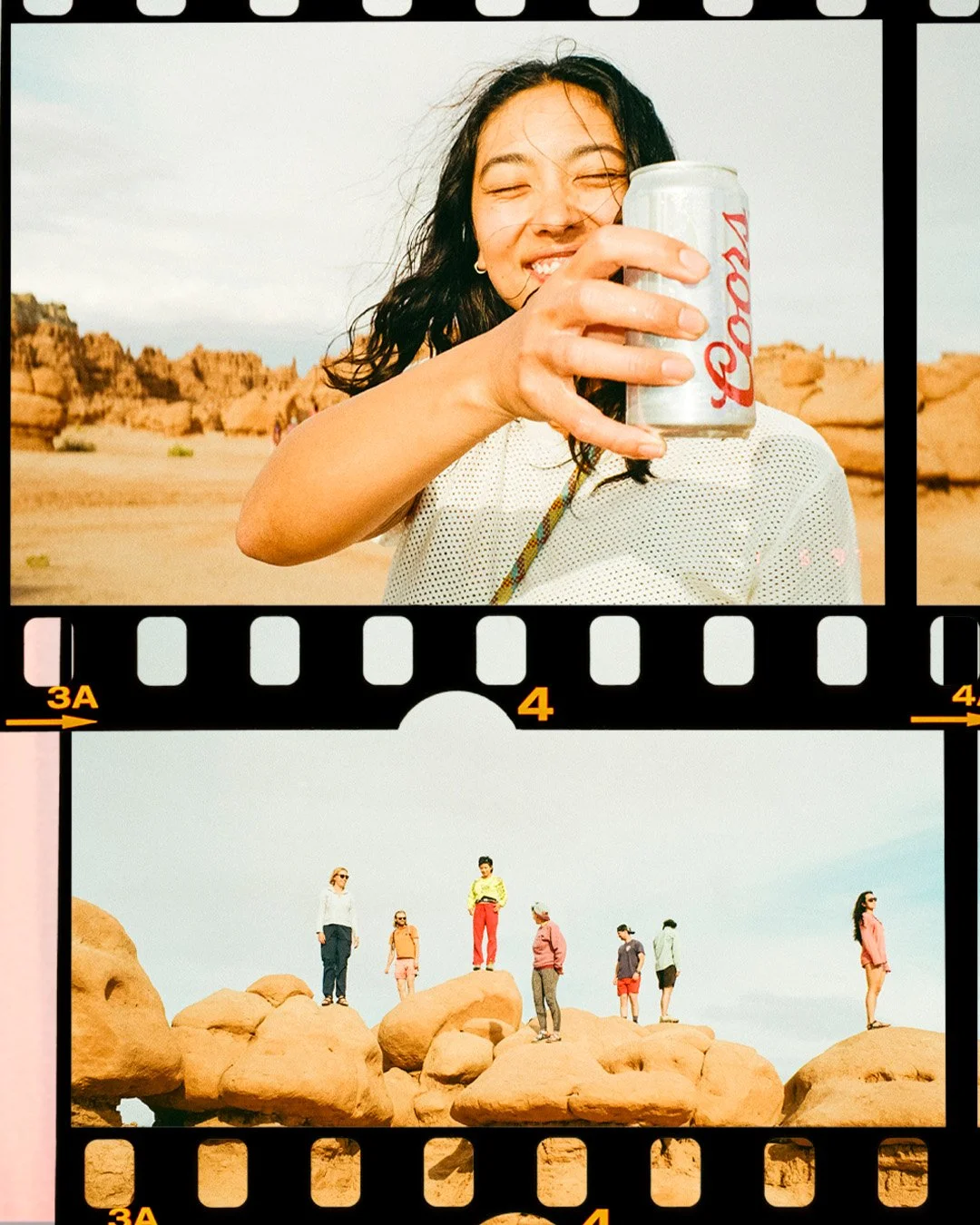

Why this matters for brands right now
Trust is the currency. As audiences get more skeptical of what they see online, imagery that feels human builds credibility faster than imagery that feels perfect.
Polish used to signal quality. Now it can signal that nothing real happened.
For outdoor and active brands, the stakes are even higher. The whole promise is experience: real effort, real places, real people outside. Imagery that looks generated can undercut that promise in a single frame.
This isn’t anti-technology
The tools will keep getting better, and they have a place in modern workflows. But as synthetic imagery gets easier and cheaper to make, the human part becomes the differentiator. The brands that win will be the ones that protect it.
Perfect is easy now. Real is rare.
And rare is what people pay attention to.