Being Weird Will Define Creative Decisions in 2026
Something has shifted in outdoor preferences.
Gorp isn’t just trail snacks anymore, it’s a full-blown stylistic identity. Trail running and hiking aesthetics have collided with streetwear, and the result is more experimental, more expressive, and way less uniform than even a few years ago. You can feel it in how brands are styling campaigns, how athletes are dressing - both on and off the trail, and how consumers are choosing what they align with.
From “form follows function” to expressive utility
Let’s be honest, tech pants from 2018 haven’t aged well.
The outdoor industry has moved past an era of pure function-for-function’s-sake. We’re now in a place where expressive uniqueness matters just as much as performance. And the interesting part is, the gear is still highly functional. It just looks like it belongs to someone with a point of view.
Today’s consumer doesn’t want utility in isolation. They want individuality within the group they identify with. They want to recognize themselves in the work, not feel like they’re being sold a generic version of “outdoor.”
Case study: Antigrav climbing campaign
The images that stick aren’t perfectly polished or overly explained. They’re specific. A little offbeat. Sometimes slightly uncomfortable in a good way. They borrow from subcultures, mix references that shouldn’t technically belong together, and trust the audience to get it. Or not. Either way, the work has a point of view.
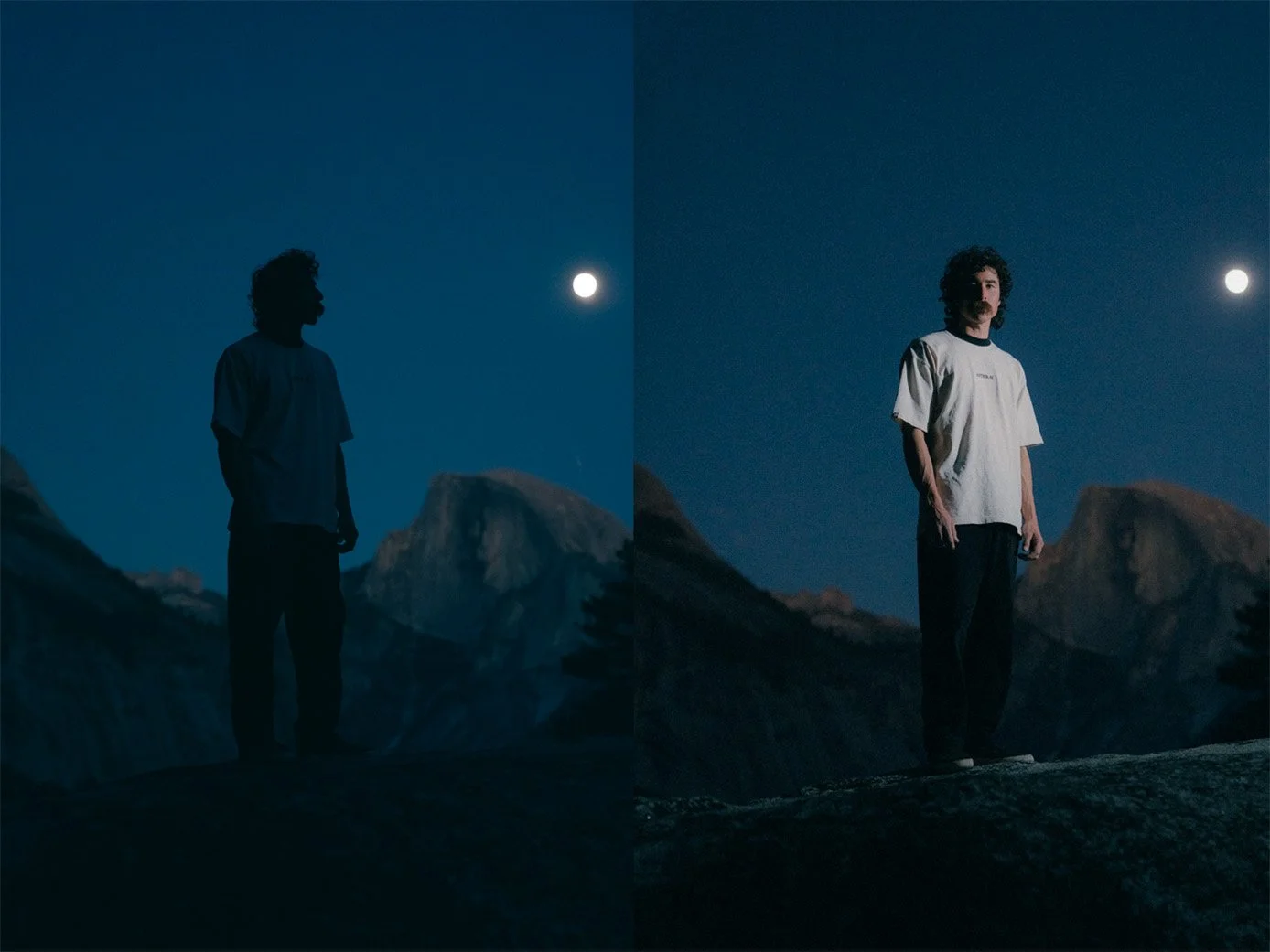
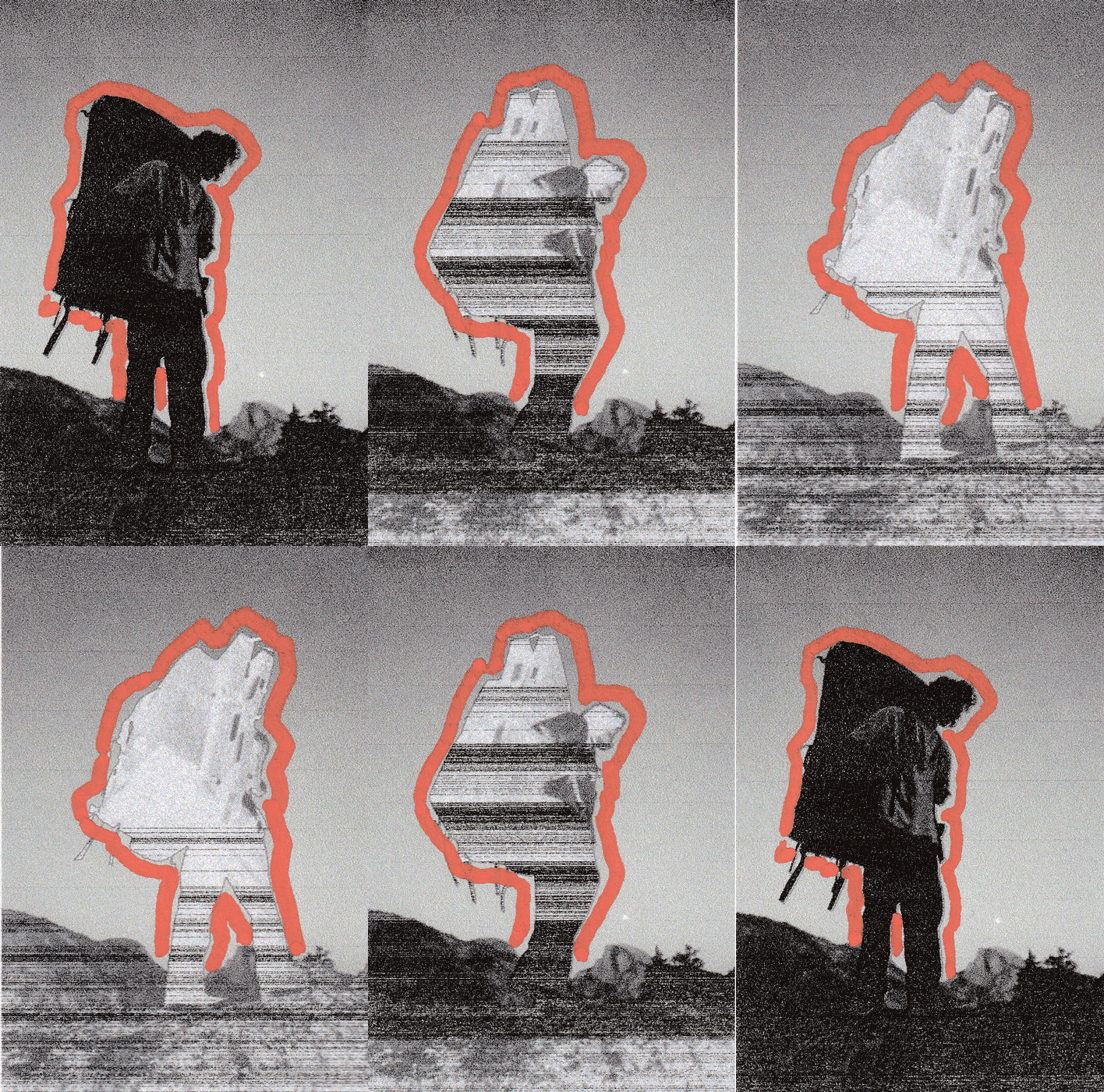
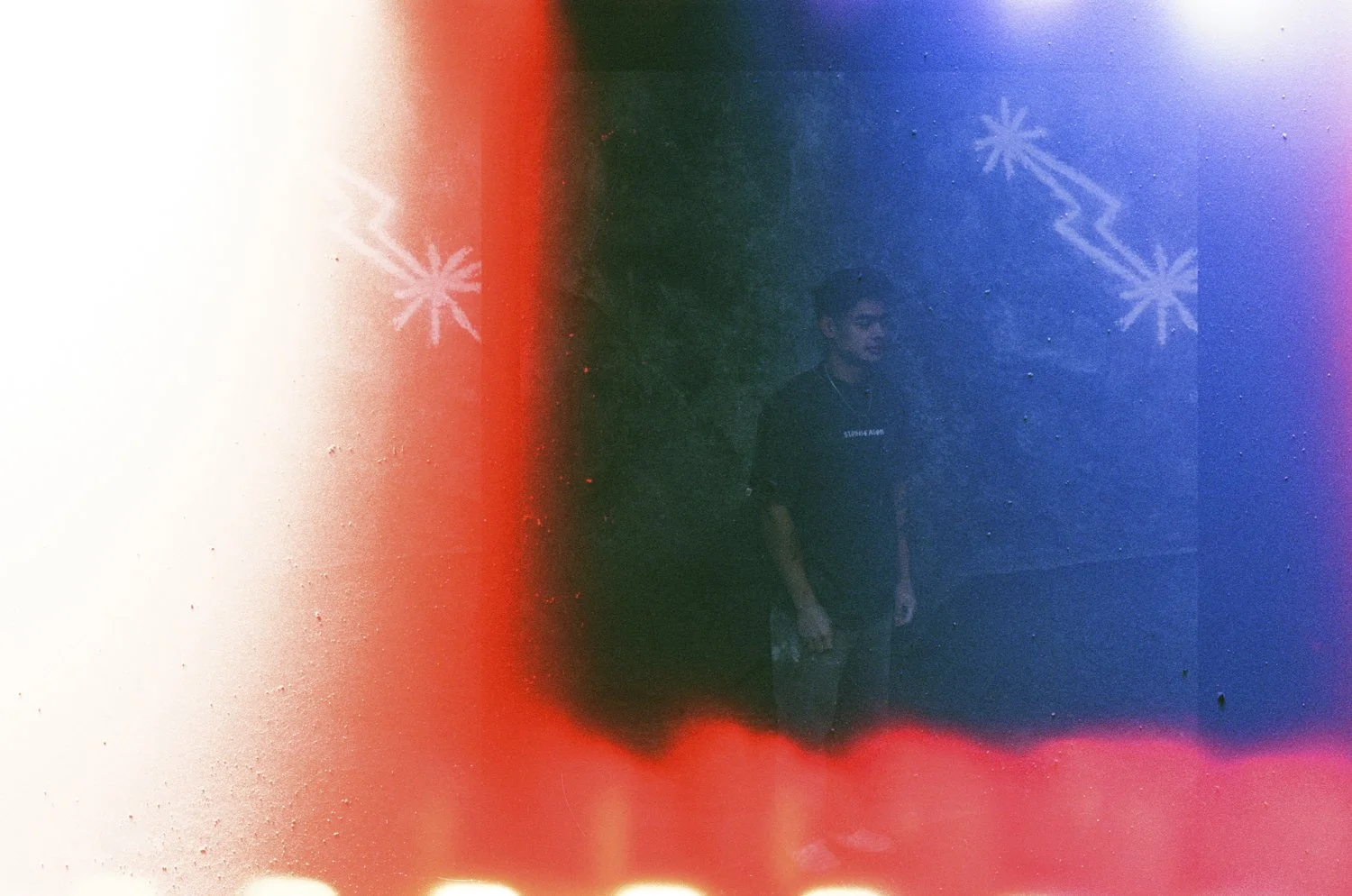
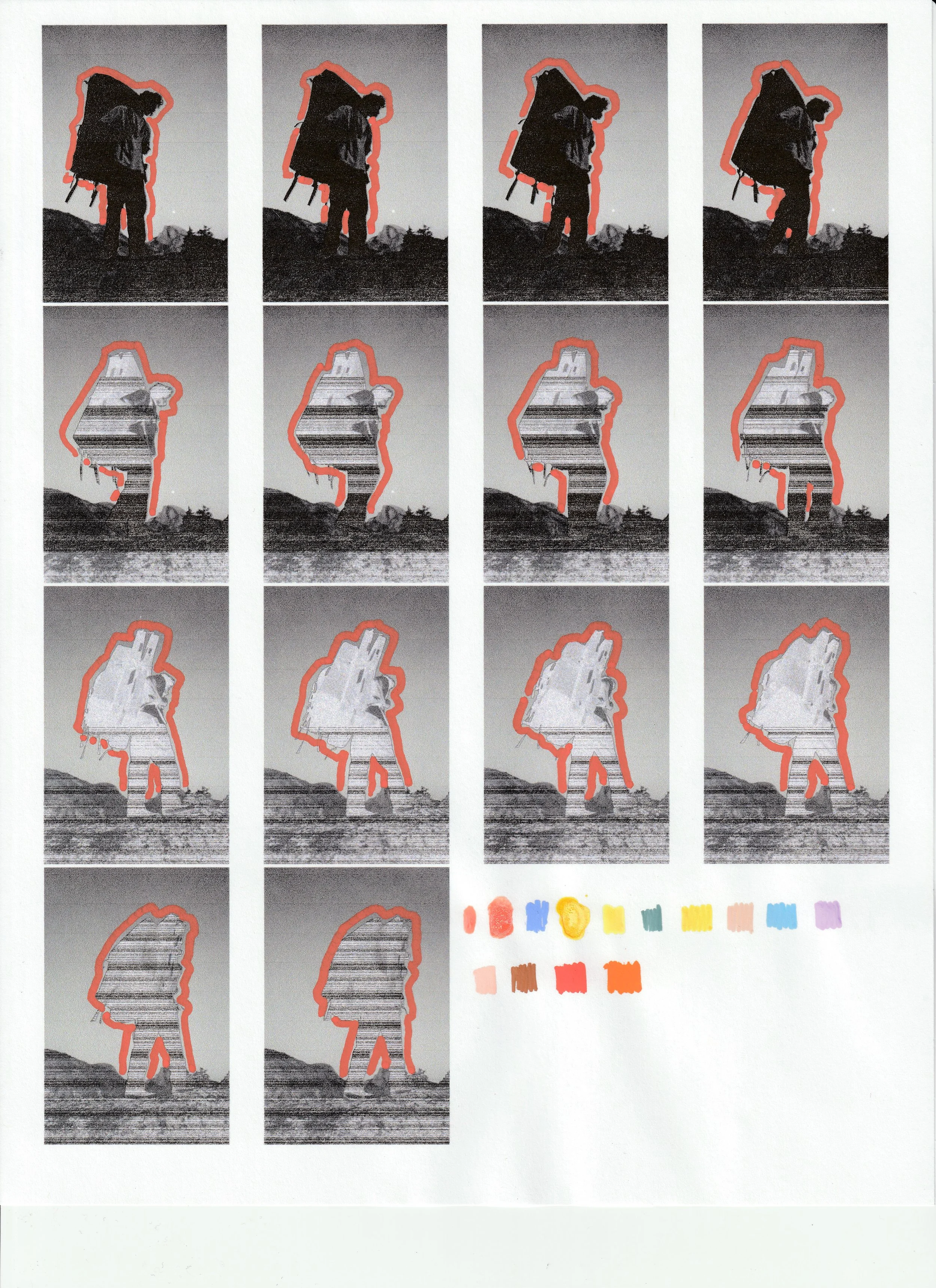
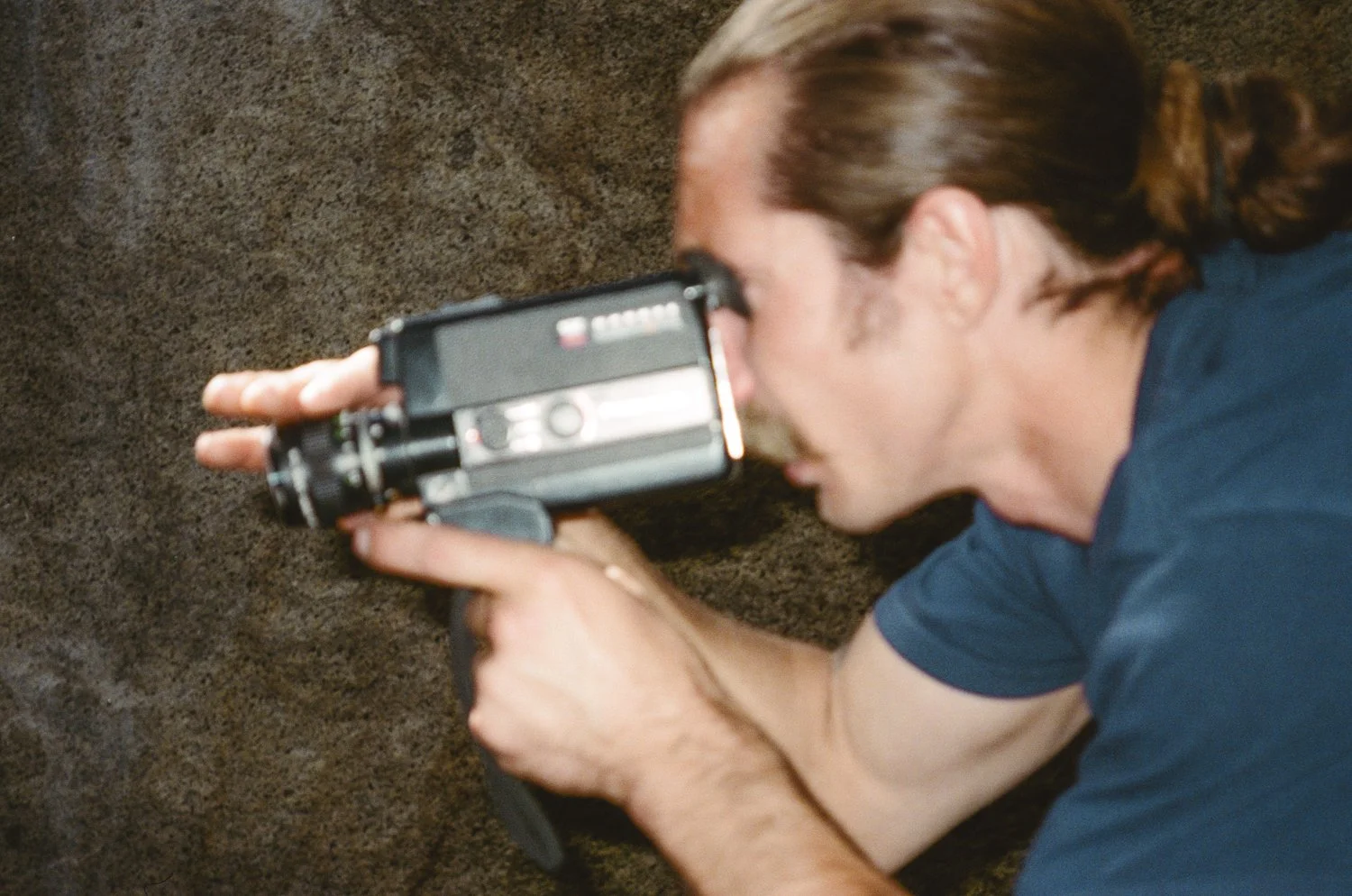
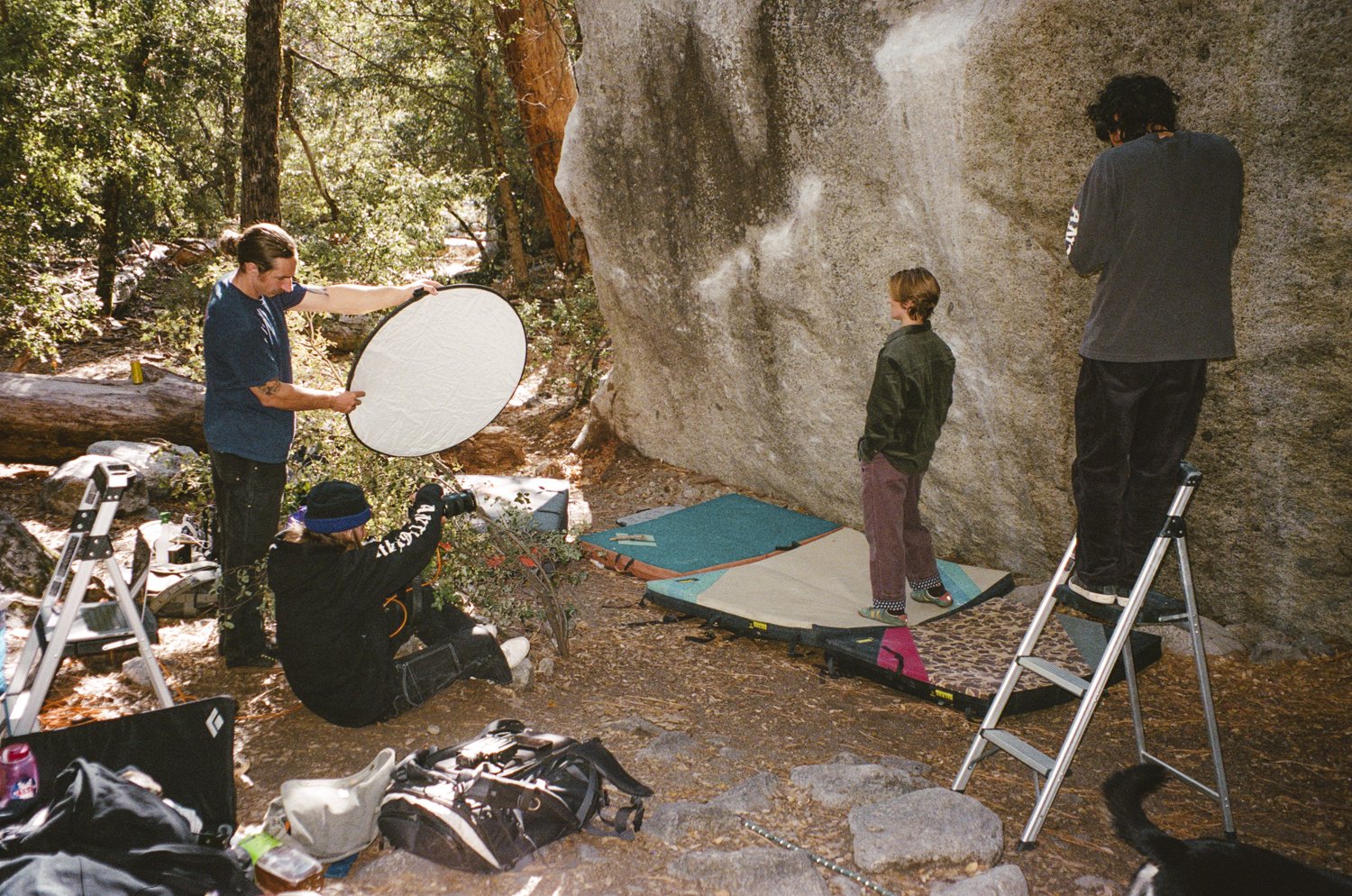
Look at a few stills from a recent campaign for Antigrav - an emerging niche climbing brand. We're speaking directly to climbers by documenting them in a true and personal way. We're speaking a visual language that climbers understand leaving clues without screaming "this is a climbing campaign" We used film and scanned art. We leaned into the imperfections because we want it to be real.
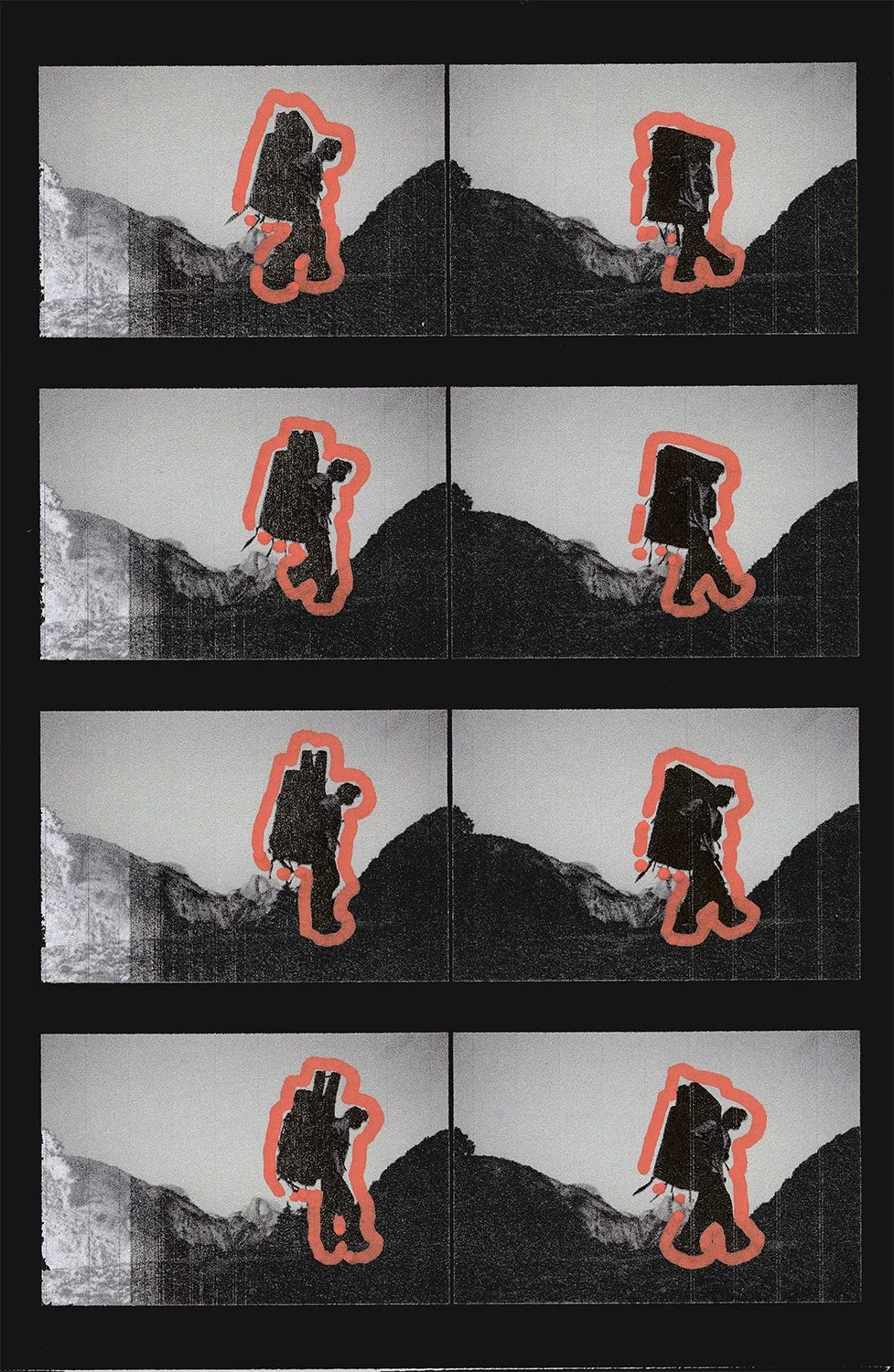
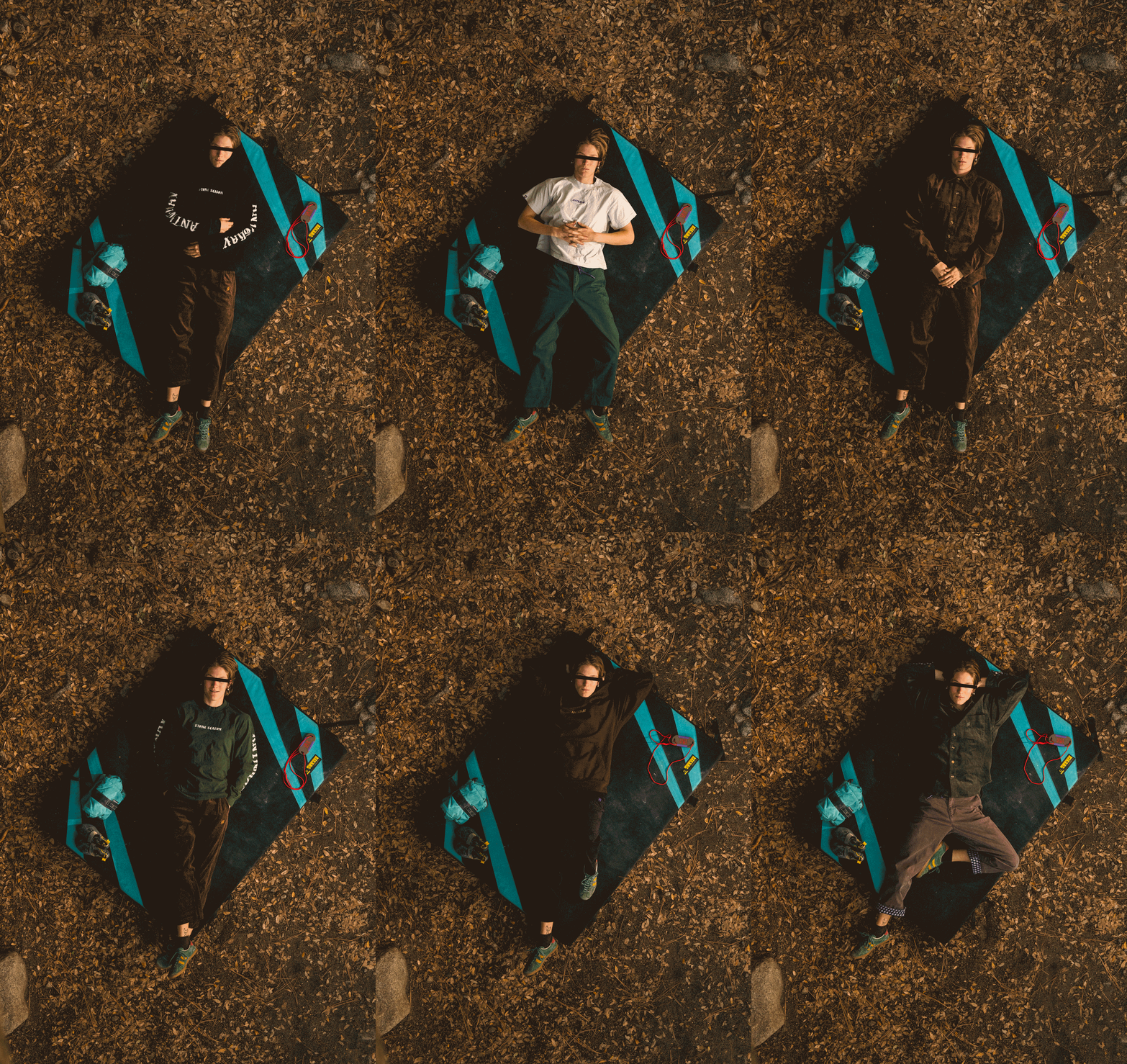
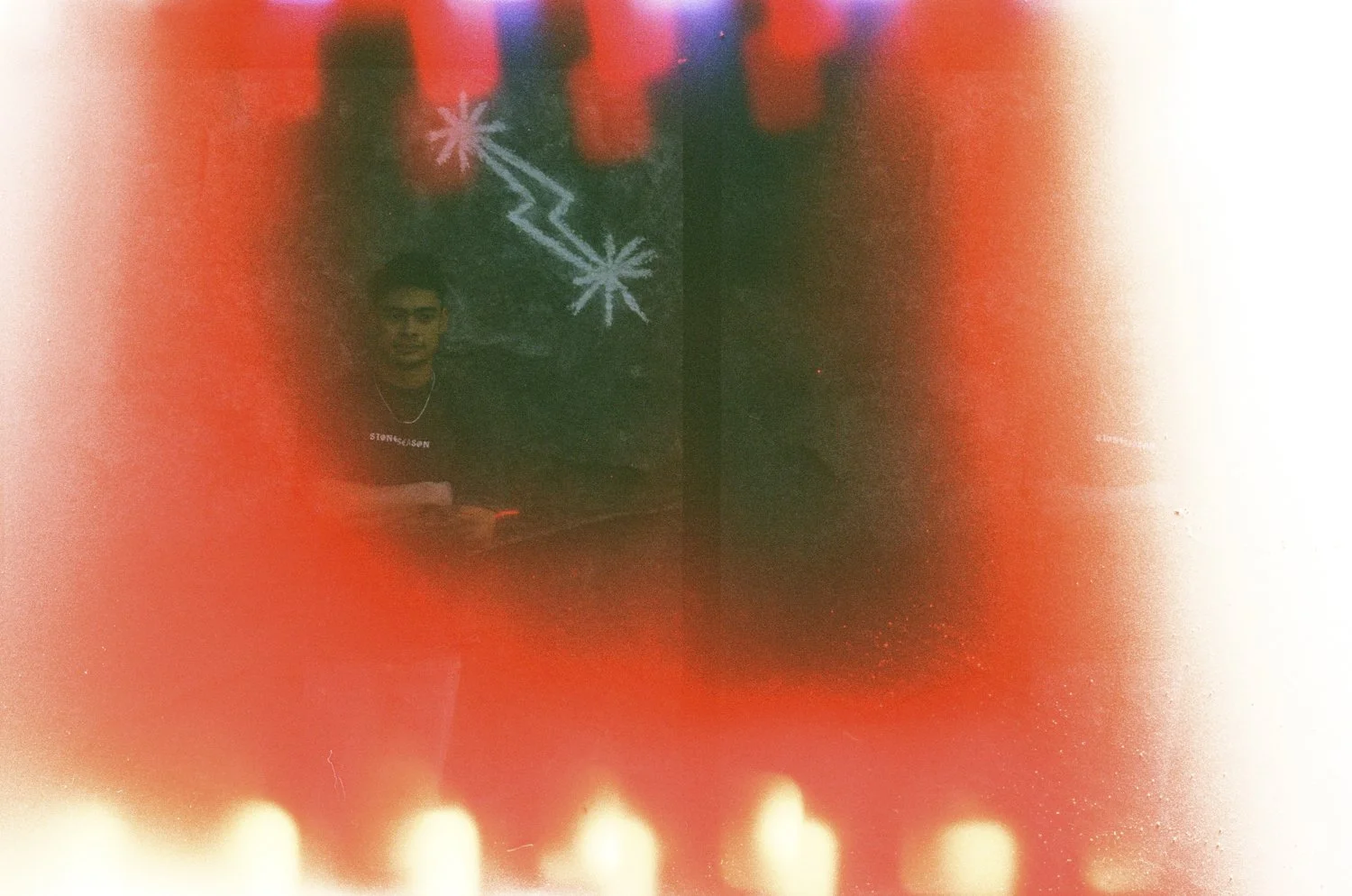
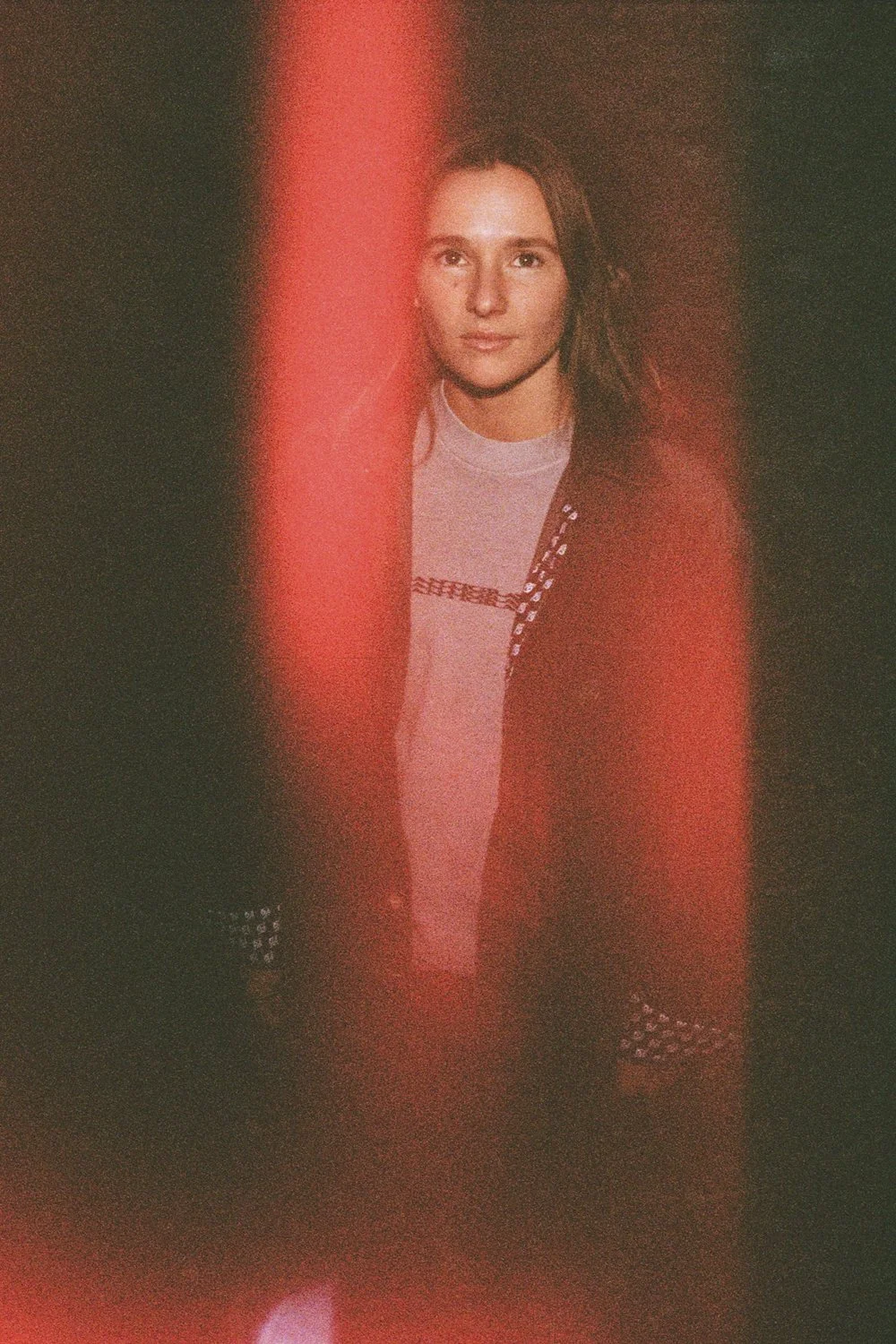
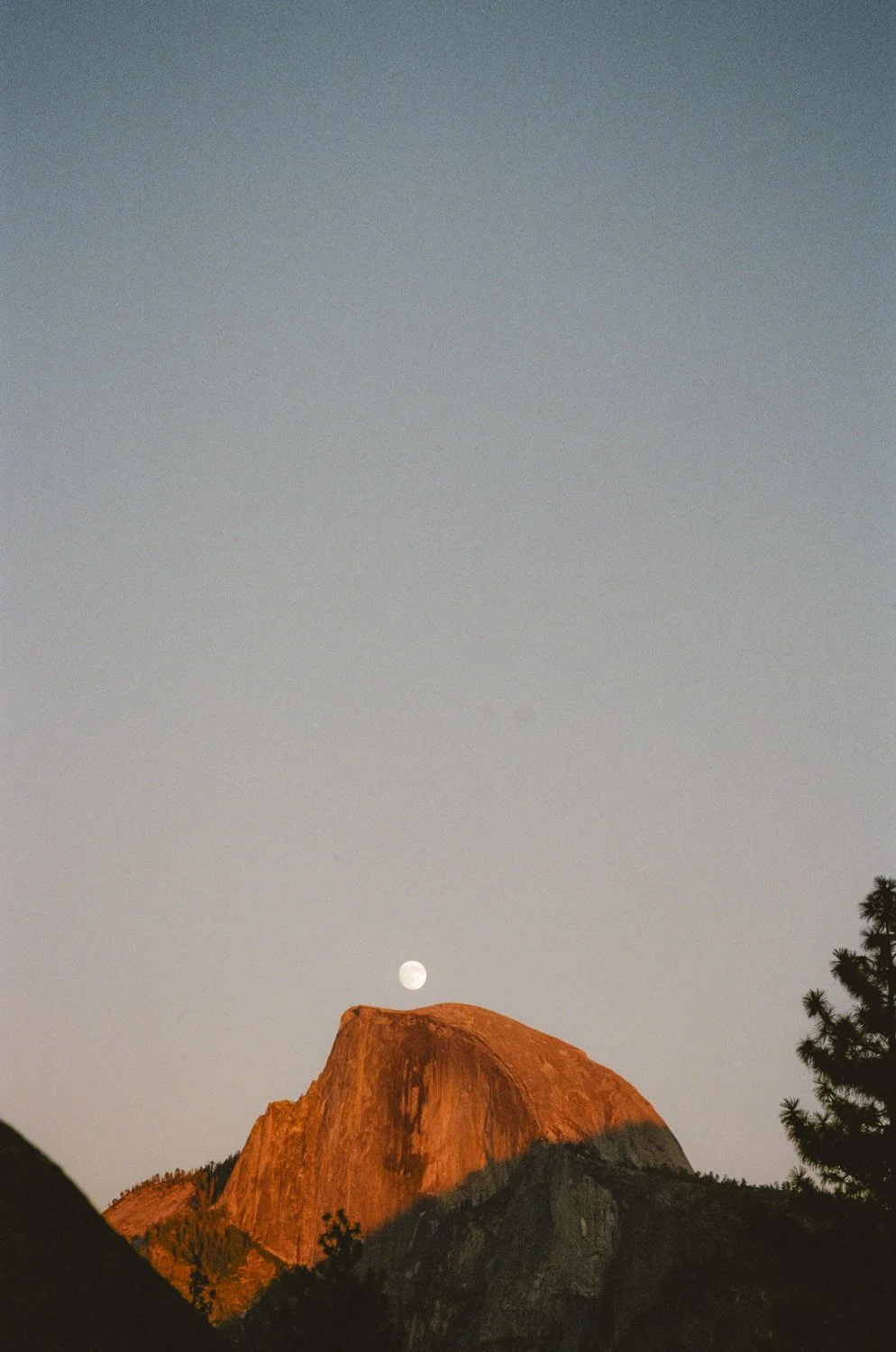
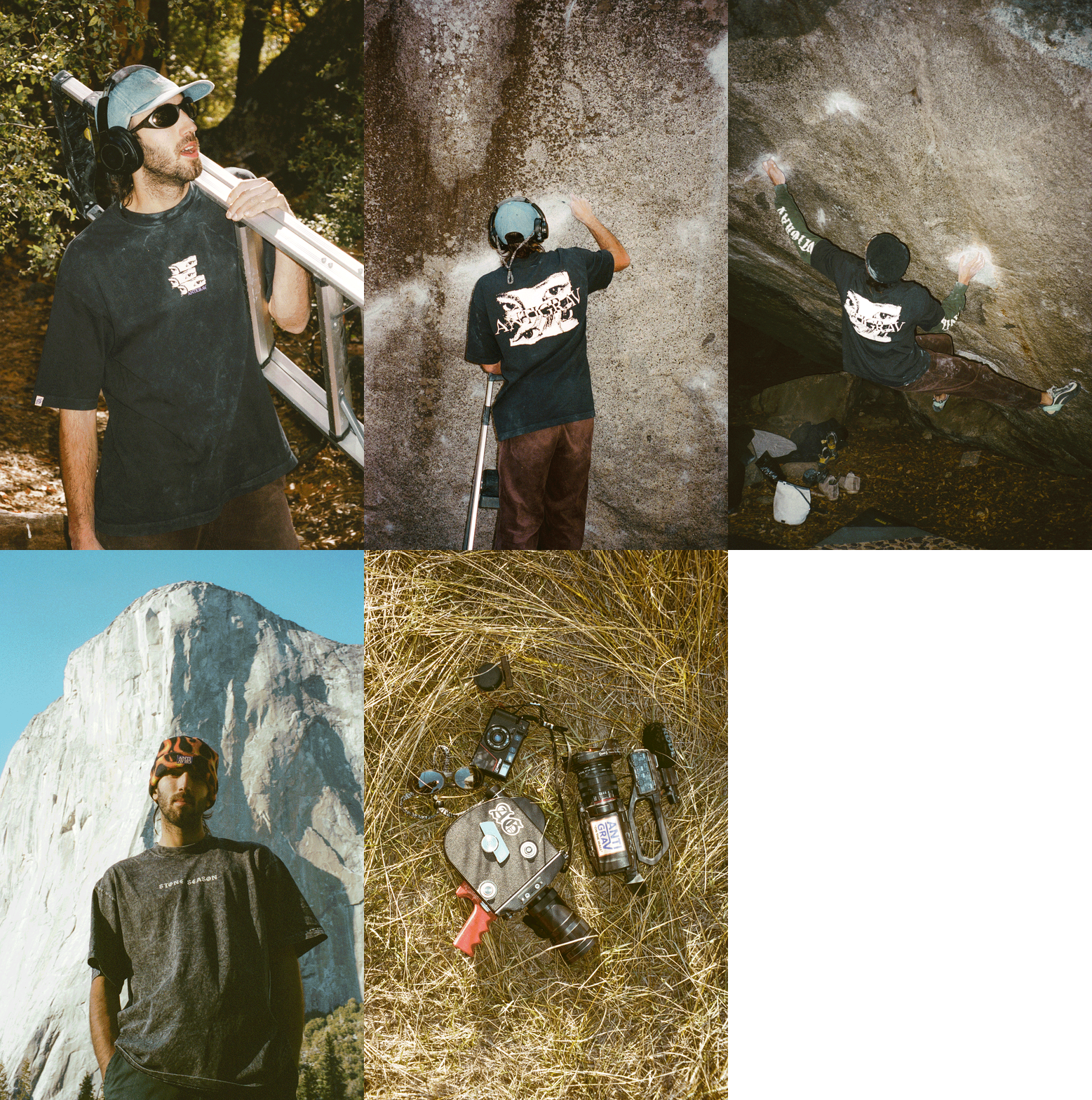
We executed ideas on a whim under the rule: if we like it, it goes. The goal isn’t to chase everyone. It’s to magnetize the right ones. The stronger your center of gravity, the wider your orbit becomes.
What this means for visual storytelling
As a commercial outdoor and active lifestyle photographer based in Seattle, Washington, this shift is impossible to ignore. The Pacific Northwest has always been a breeding ground for subcultures, hybrid identities, and niche outdoor communities. Trail runners who borrow from skate culture. Climbers who dress like they just left an art opening. Skiers who don’t care if it looks “correct,” as long as it feels like them.
This is where visual storytelling is headed.
Less polished sameness. More outsider energy. Subculture cues. Niche references. Unapologetic taste. The kind of details that tell you exactly who the work is for, even if it isn’t for everyone.
Why “being weird” works in 2026
People want to feel something new, but more importantly, they want to feel seen as distinct.
In a crowded market, the brands and campaigns that stand out will be the ones willing to take creative risks, trust unconventional casting, and lean into specificity rather than mass appeal. That’s what drives emotional connection, and emotional connection drives spending decisions.
Being weird isn’t a gimmick. It’s a signal. And in 2026, it’s going to define which creative work actually lands.